
- All
- Product Name
- Product Keyword
- Product Model
- Product Summary
- Product Description
- Multi Field Search
Views: 0 Author: Site Editor Publish Time: 2026-11-11 Origin: Site


Start a Dupont paper bag project by specifying the actual sheet, the load it must carry and the way it will be printed and assembled. A paper-like appearance describes how a bag looks and feels. The material name and grade tell the converter what can be printed, bonded or sewn. Once the sheet is confirmed, design around the usable base, the handle anchors and the fold that customers will make between uses. Approve the printed and assembled bag with a real load. A clean artwork proof and an attractive swatch answer only part of the buying decision.
Ask the supplier to identify the manufacturer, material grade and any added layers. The term Dupont paper bag appears in packaging catalogs, while DuPont Tyvek is a specific nonwoven material made from high-density polyethylene. Its paper-like appearance can be useful for design. The exact grade and construction are what matter when a project calls for a particular branded material or printing method.
A supplier may use the term for a paper-like specialty bag without listing a material grade on the storefront. The Dupont paper shopping bags from Nice Paper Bag show a handled shopping format, while the Duban paper range brings together related specialty bag formats. Use these as starting points for appearance and structure. If the brief requires genuine Tyvek, request a material specification and supporting identification for the proposed grade before signing off on artwork or placing a production order.
A lightweight sheet may fold into a smaller space, while a stiffer construction can stand open more readily for packing. Compare full-size samples because folds, gussets and seams affect both qualities. Check the proposed finished build if it includes a lining or laminate. The exposed sheet may feel the way you want, while the added layer changes how the bag bends, how the opening behaves or how a seam holds.
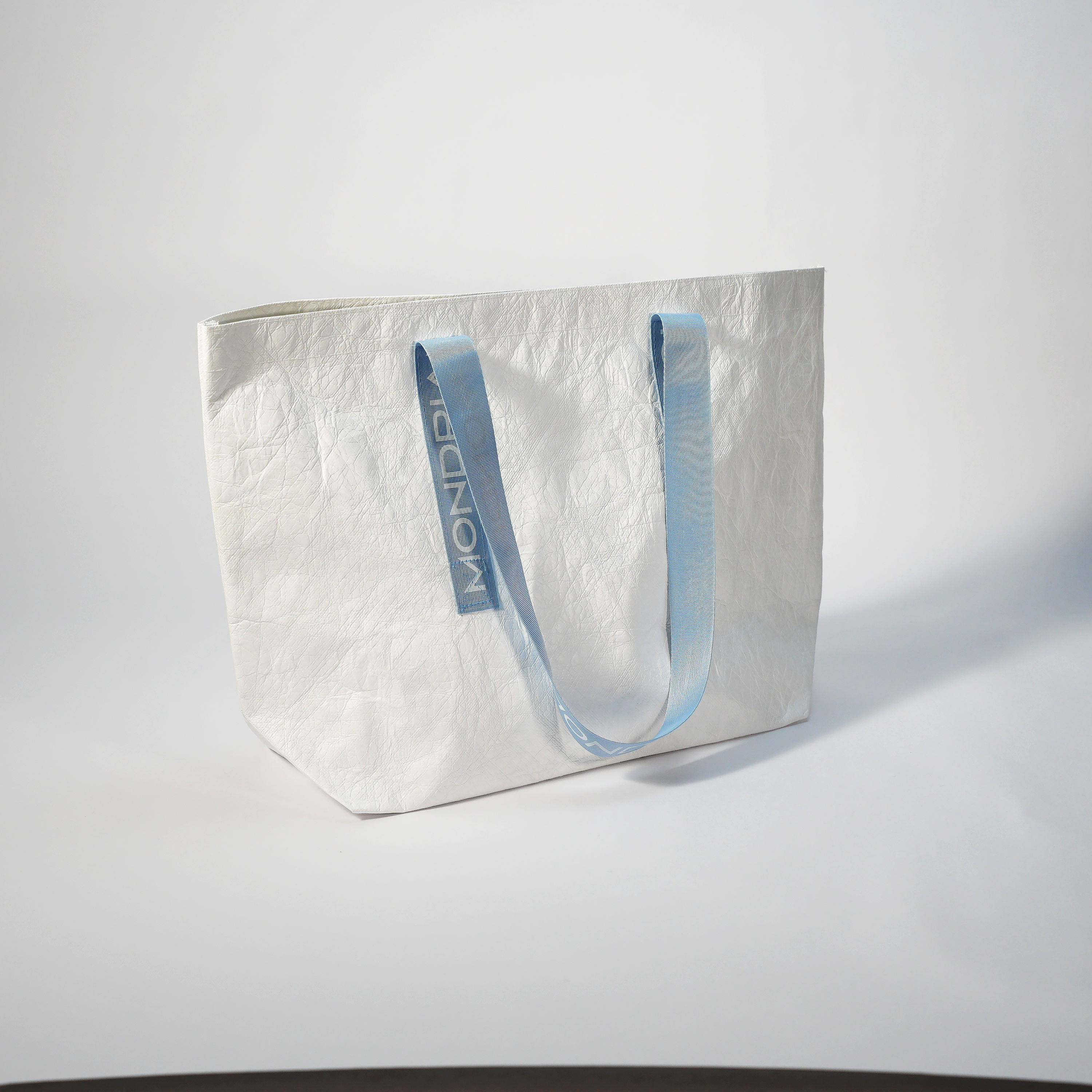
Set the internal base from the footprint of the largest intended product or order. A wider base can let a box sit flat and can reduce the chance that a load tips when the bag is set down. Extra base depth also changes how the empty bag folds and how wide the side panel becomes. Measure both the open bag and the folded pack when storage space matters.
Use a representative retail purchase when testing the handle length. A short hand-carry handle can keep a small bag close to the body. A shoulder handle needs enough drop to clear a sleeve or coat, especially with a full bag. A wide box near the opening can reduce the effective room for a hand. Test with the product loaded, and check whether the anchors pull the front panel inward as the user lifts.
Look at the load path from the handles through the upper panel and side seams into the base. A strong sheet can still be paired with a small or weak attachment. Likewise, a stiff base can transfer stress into a corner when the user sets the bag down repeatedly. Try a load with a hard edge, such as a boxed purchase, if that is typical of the store's products. Check where the package touches the bag, especially when the load shifts.
Work with the converter to select a printing method for the exact sheet and surface treatment. With a paper-like polyethylene nonwoven, ink adhesion and heat exposure depend on the process and grade. If the artwork has large solid fills, fine type or a logo crossing a fold, include those areas in the physical proof. Review the printed sheet after it has been converted into a bag.
Keep important artwork clear of handle patches, stitch lines and high-movement folds where possible. A large graphic can work across a side gusset if it remains readable in the intended view. Test what happens when the bag is full. The image can stretch around the base or disappear into an inward fold. For a QR code, scan the assembled sample with the expected background, orientation and viewing distance.
A sewn bag gives the designer visible stitch and binding choices. Ask the converter to sample the stitch pattern, reinforcement and thread with the proposed sheet. Needle holes in a nonwoven sheet stay visible, and stitching parameters can affect the line of perforations. A bonded seam needs compatible materials and process settings. Ask to see a working seam on the actual build, especially if it joins unlike materials or crosses a fold.
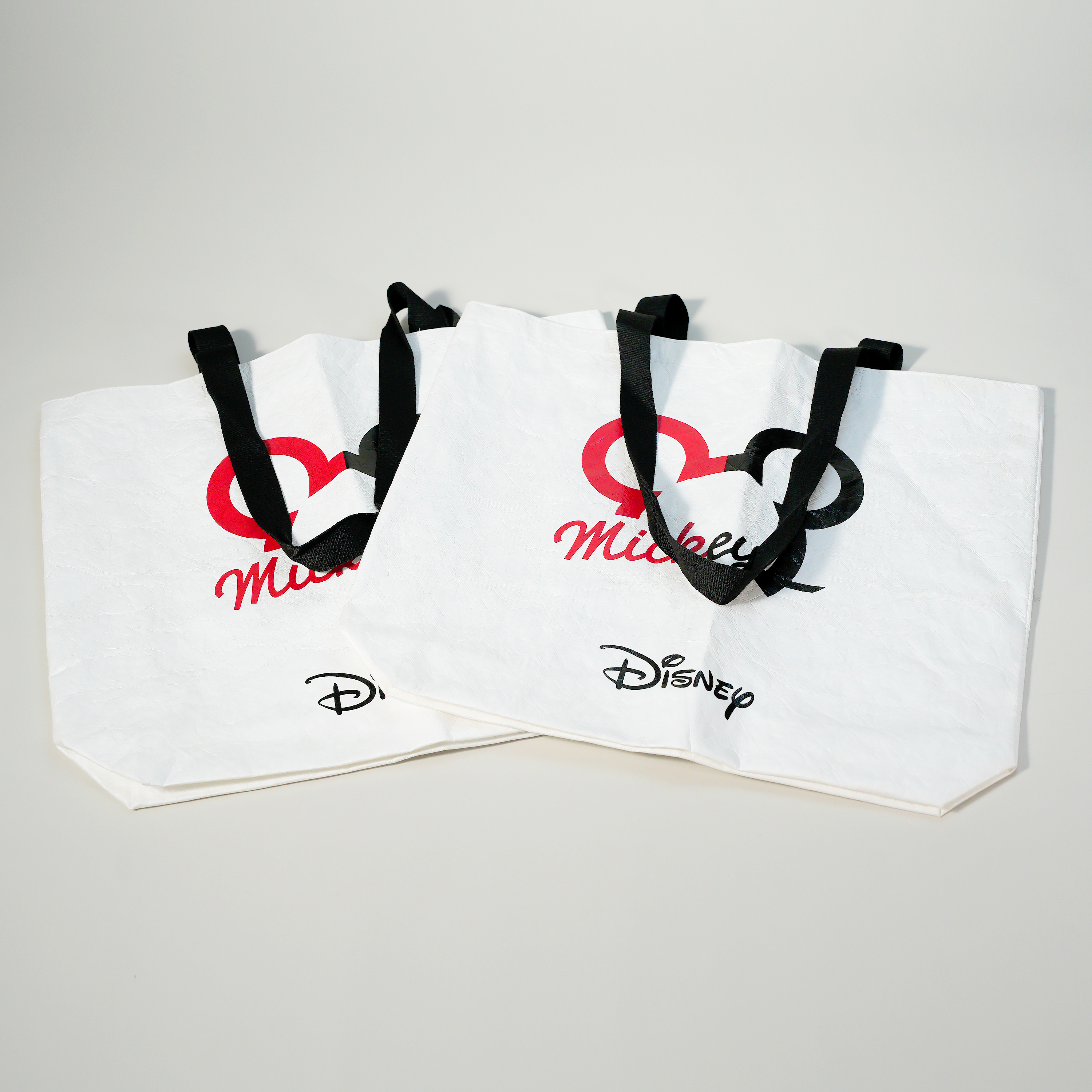
Define how the recipient will use the bag again. A boutique shopper may flatten it and store it in a drawer. A trade-show visitor may carry catalogs for several hours and fold the bag into a suitcase. A customer buying boxed goods may want the base to stay wide enough that the box can sit upright. These tasks lead to different choices about gussets, handle drop and reinforcement.
Use case | Design priority | Sample review |
|---|---|---|
Boutique handoff | Stable base and clear branding | Load a typical purchase and view the logo from the customer's side |
Event or promotional bag | Comfortable carry and compact storage | Carry the expected contents, then fold and reopen the bag |
Repeat shopping | Handle anchors and reliable access | Lift, set down and reload with the intended mix of items |
Gift presentation | Surface texture and orderly folds | Check crease appearance, print and shape before and after packing |
If compact storage is part of the brief, compare the open and packed dimensions with a collapsible shopping bag format. That product illustrates a separate construction focused on foldability. For the proposed paper-like bag, check whether the intended fold lands across a logo, a handle anchor or a thick seam. Have a second person fold it without instructions to see which crease a customer is likely to choose.
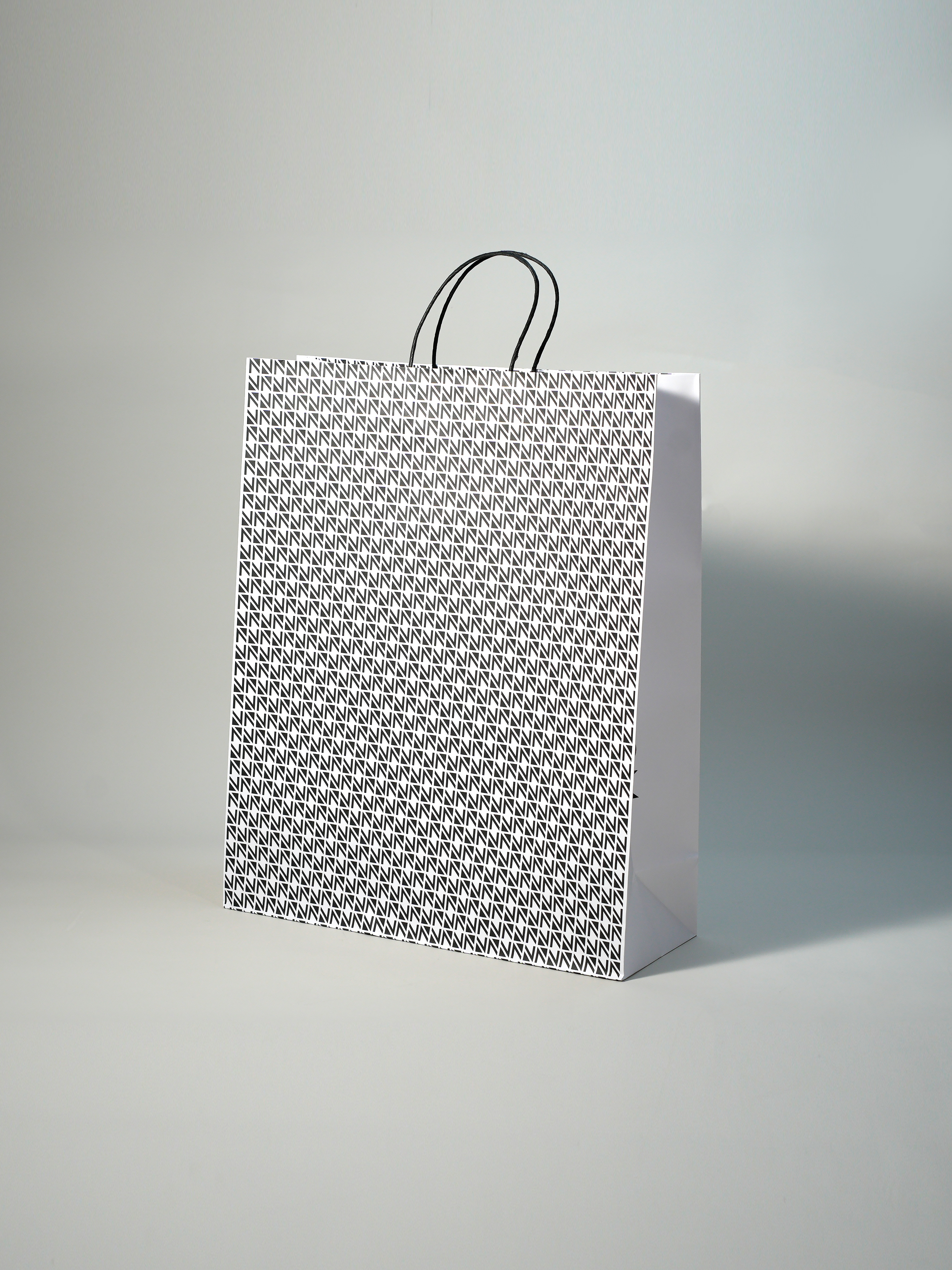
Use the printed, converted sample to lock the details that can affect fit or appearance on repeat orders. Keep the material reference, construction drawing and artwork proof together. Attach a photograph of the approved bag both open and folded so the production team can see how it is meant to sit.
Record the sheet manufacturer and grade where specified, plus the coating, laminate or lining on the approved build.
Define internal dimensions, bottom gusset, handle drop and reinforcement placement on a dimensioned drawing.
Review print legibility, rub marks, seams and folds after loading and unloading with representative contents.
Compare the bag before and after the expected fold and carry routine. Record the areas that show wear or shape changes.
If making a material or disposal claim, verify the entire construction and the intended market before printing the claim.
Where the buyer wants to use words such as reusable or recyclable on the bag, ask what evidence supports the exact statement. A material description covers the sheet, while a finished bag may also contain thread, handles, coatings and patches. Local collection and processing options can differ. Keep the approved wording specific to what can be supported for the finished product.
A well-designed Dupont paper bag starts with an identified sheet and a clearly defined carrying job. Use the base and handle layout to keep the intended purchase stable, then proof the artwork on the actual material and inspect the folds after conversion. Xiamen Shengge Packaging Products Co., Ltd. manufactures paper and nonwoven packaging, including handled shopping formats. For a repeat order, tie the approved physical sample to the material reference, dimensions, print and seam details. If the project calls for a named material grade, make that identification part of the purchasing specification.
The catalog term can refer to a paper-like bag. Genuine DuPont Tyvek is a high-density polyethylene nonwoven. Ask for the exact sheet and grade to confirm what a given bag uses.
This depends on the converter, print method and construction. Request a dieline showing trim, seam and fold allowances, then check where large areas of ink cross folds on a finished sample.
Water can enter through a bag's opening, seams and handle attachments. Evaluate the complete bag under the type of exposure required for the project and verify any claim against the finished construction.
Use the care guidance for the actual bag. A sheet may tolerate cleaning while an ink, seam, reinforcement or handle behaves differently. Try the specified care method on a production-equivalent sample before including instructions with the product.
State the expected contents, weight distribution and how the bag will be used. Agree on an appropriate finished-bag evaluation that includes the handles, base and seams. The sheet grade alone cannot establish the carrying capacity of the assembled bag.


