
- All
- Product Name
- Product Keyword
- Product Model
- Product Summary
- Product Description
- Multi Field Search
Views: 0 Author: Site Editor Publish Time: 2026-09-22 Origin: Site


Specifying the wrong GSM for your packaging directly hurts profit margins. It also weakens overall brand perception. Procurement teams often struggle to find the perfect balance between paper thickness and practical performance. The cost of miscalculation remains exceptionally high in today’s fast-paced retail environment. Under-specifying leads to burst seams. It causes torn handles and damages valuable goods during transit. Conversely, over-specifying unnecessarily inflates unit costs. It requires more storage space and drives up shipping weight. Navigating these variables requires clear data rather than guesswork.
We will provide a technical, evidence-based framework for selecting optimal paper thickness. You will learn how to match exact GSM specifications to product weight and physical bag dimensions. We will also explore daily operational realities. This guide ensures your packaging choices protect your products perfectly. It simultaneously maximizes cost efficiency across your entire supply chain network.
Lightweight (60–80 GSM): Best for bakery items, fast food, and lightweight pharmacy goods (holds under 2 kg).
Medium/Retail (90–120 GSM): The industry standard for apparel and everyday kraft shopping bags (holds 3–6 kg).
Heavyweight (130–150+ GSM): Required for premium gift bags, heavy groceries, and high-capacity applications (holds 6–10+ kg).
The Size Matrix: Larger bags require exponentially higher GSM to maintain structural integrity. An A4 kraft paper bag needs a different baseline thickness than a standard grocery sack.
Material Quality Matters: 100 GSM of virgin kraft yields higher tensile strength than 120 GSM of highly recycled kraft.
GSM stands for Grams per Square Meter. It strictly measures paper density and physical weight. It calculates the exact mass of one square meter of a specific paper type. Many buyers mistakenly assume GSM directly measures tear resistance. It does not. GSM only dictates density and basic material thickness. A high GSM indicates heavier paper. However, heavy paper can still tear easily if the underlying fiber quality remains poor.
Global sourcing requires careful unit conversion. Suppliers in North America often use points or pounds instead of GSM. For example, a standard 50-pound basis weight roughly equals 75 to 80 GSM. You must establish a clear conversion baseline. Ensure your buyers and overseas suppliers align completely on these metrics. Misalignment causes massive specification errors during the quoting process. Always define your measurement units clearly before signing any purchase orders. This proactive step prevents costly manufacturing mistakes.
Environmental initiatives push strongly for recycled content. We fully acknowledge this positive sustainability trend. However, you face a distinct structural trade-off. Recycled fibers are significantly shorter than virgin fibers. The repulping process chops down paper strands continuously. Shorter fibers naturally reduce overall tensile strength. Therefore, buyers may need to increase GSM by 10% to 20% when using highly recycled materials. This upward adjustment helps achieve the same load-bearing capacity as thinner, virgin Kraft Paper Bags.
Selecting the correct thickness requires matching paper strength to specific daily applications. Quick-service restaurants frequently use the 60 to 80 GSM light-duty range. Lightweight retail shops and pharmacies rely heavily on it too. Success criteria here focus strictly on cost-efficiency. Bags must fold easily for fast packing. They must maintain a low storage footprint behind busy cash registers. At this thickness, paper bags safely hold items weighing under two kilograms. Think of croissants, small medicine boxes, or lightweight cosmetics.
The 90 to 120 GSM range dominates standard retail and grocery environments. Apparel stores and boutique shops prefer this versatile weight class. It represents the global industry standard for everyday kraft shopping bags. Success in this category balances structural durability with excellent printability. The paper absorbs ink evenly for crisp logos. It also supports standard twisted or flat paper handles securely. Glue points remain perfectly stable without tearing under moderate stress. These mid-weight bags reliably carry three to six kilograms of merchandise.
Heavy-duty and premium applications demand 130 to 200+ GSM materials. High-end luxury brands demand these thicker specifications. Heavy hardware stores also need this robust, tear-resistant structure. You will often find multi-wall kraft industrial bags sitting exclusively in this top-tier category. The primary success criterion is maximum puncture resistance. These specialized packages hold ten kilograms or more. They comfortably support premium finishing techniques. You can safely apply foil stamping and heavy laminations. The thick base material will not warp or buckle during the printing process.
Optimal Material Specifications by Bag Capacity
Category | GSM Range | Average Capacity (kg) | Typical Applications |
|---|---|---|---|
Light-Duty | 60–80 | Under 2 kg | Bakeries, fast food, pharmacy bags |
Medium/Retail | 90–120 | 3–6 kg | Apparel, boutique items, groceries |
Heavy-Duty | 130–150+ | 6–10+ kg | Luxury gifts, hardware, industrial goods |
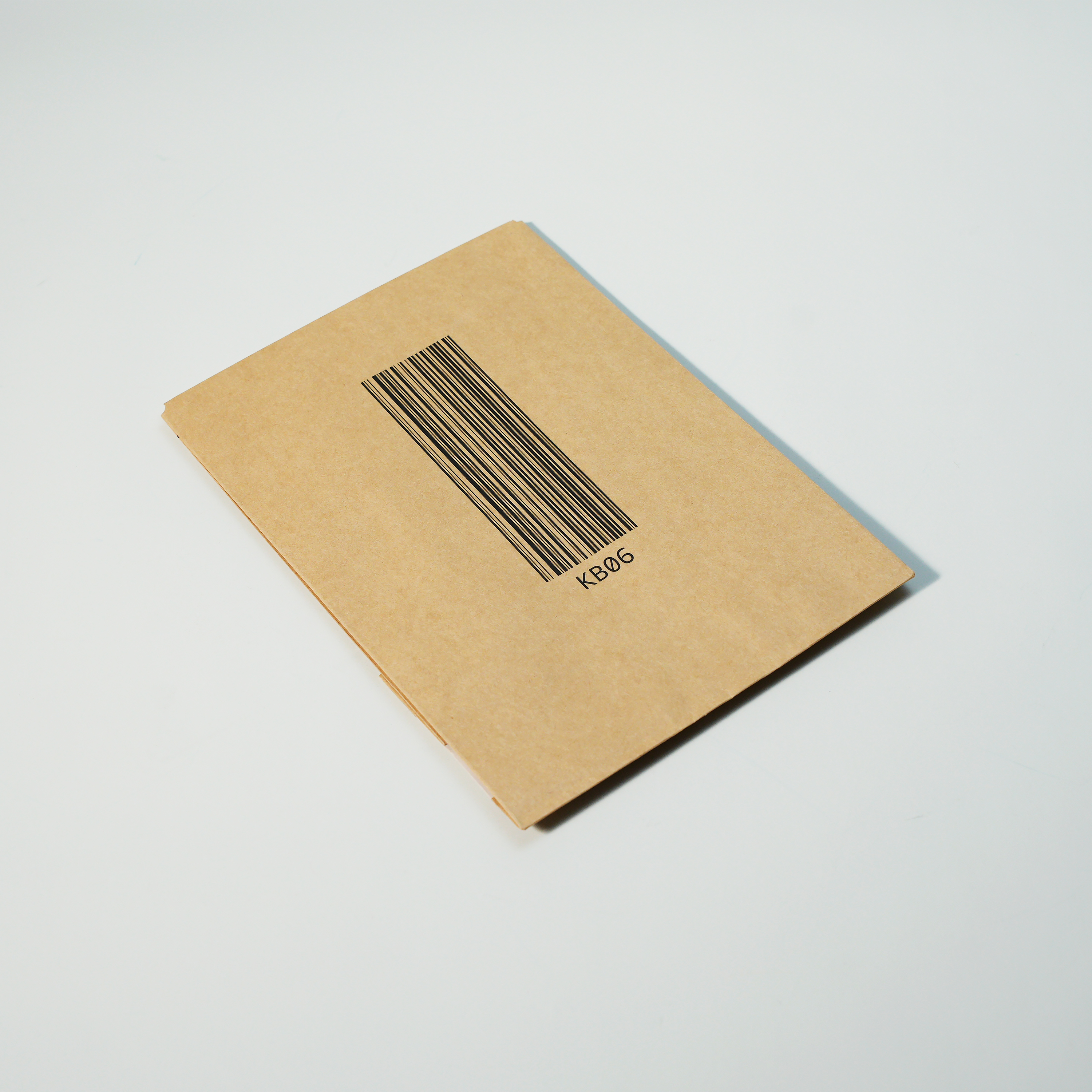
We must discuss the fundamental dimensional matrix. Scaling up bag dimensions actively weakens the overall structure if your GSM remains static. Imagine a small jewelry bag made from 100 GSM paper. It feels incredibly rigid and highly premium. Now stretch that exact same 100 GSM paper across a large supermarket tote. It instantly feels flimsy and weak. Surface area dictates structural integrity. Larger paper expanses flex more easily. They offer less vertical support to the bottom gusset.
Small and boutique bags require very little reinforcement. A range of 80 to 100 GSM is usually sufficient for tiny formats. It maintains a crisp, attractive shape. Small dimensions naturally prevent the paper walls from bowing outward. The structural tension remains perfectly balanced across a smaller surface area.
Document and apparel sizing introduces slightly more surface area. When ordering standard A4 kraft paper bags, dimensions usually hit around 210 x 297 mm. In this common scenario, 100 to 120 GSM provides optimal stiffness. It prevents important presentation documents from bending inside. It also keeps unit costs relatively low. Oversized and catering bags demand extreme durability. Wide bottom gussets drastically reduce vertical wall support. These massive formats require 130 GSM or higher. They also need reinforced cardboard bottom inserts. These inserts prevent the base from bowing heavily under heavy food delivery containers.
Many brands mistakenly believe thicker packaging is always better. This dangerous mindset introduces severe hidden costs. Let us examine the shipping and freight impact first. Moving from 100 GSM to 150 GSM increases material mass drastically. It can easily increase the overall weight of a shipping pallet by 50 percent. This extra mass directly drives up your logistics expenses. You must calculate the total landed cost accurately. Add the base unit price to the increased freight weight. Always run this calculation before defaulting to thicker paper.
Manufacturing and folding risks also escalate rapidly. High GSM kraft paper feels rigid and inflexible. Paper above 150 GSM is highly prone to cracking along the fold lines. Creases become brittle during the folding process. Factories must properly score the paper beforehand to prevent this damage. Unscored, cracked edges degrade the bag's aesthetic appeal immediately. They also severely compromise structural integrity at crucial stress points.
Storage footprint presents another major operational challenge. Thicker bags take up significantly more cubic space. A carton of 500 heavyweight bags might require twice the shelf space of lightweight alternatives. This crowding affects massive distribution warehouses. It creates logistical chaos at cramped retail checkout counters. Cashiers lose valuable counter space. You end up paying more money just to store empty packaging inventory.
You need hard empirical data to select the right manufacturing partner. Stop relying on basic visual inspections. Request specific testing protocols from your suppliers.
Bursting strength test (Mullen test). This procedure measures how much outward hydrostatic pressure the paper withstands before rupturing completely.
Tear resistance test (Elmendorf test). This mechanical evaluation determines how easily a tear spreads once a sharp object initiates it.
Handle pull-test data. Ask exactly how many kilograms the handle adhesive can withstand before experiencing sudden structural failure.
Your shortlisting logic requires strict mathematical boundaries. Rule out suppliers who refuse to provide exact GSM tolerances. Paper manufacturing always involves slight moisture evaporation. However, a reliable factory maintains an acceptable variance of just ±5%. Reject any supplier operating outside this narrow quality window. They likely lack modern quality control machinery.
Request physical samples in three incremental GSM weights. Ask for 90, 100, and 120 GSM prototypes. Conduct real-world load testing internally. Pack these samples with your actual product inventory. Carry them around your office to simulate typical customer behavior. Shake the bags to test the handle glue under dynamic stress. Complete this rigorous process before placing any bulk purchase orders.
Do not view paper thickness in a vacuum. The correct specification requires careful and deliberate triangulation. You must balance your product's maximum weight against the bag's physical dimensions. You must also factor in your strict budget for logistics and freight.
Audit your current packaging fail rates immediately. If bags tear frequently at the handles, increase your GSM specification. Alternatively, switch to virgin paper for stronger, longer fibers. Finally, analyze your ongoing logistics expenses. If shipping costs are eating your profit margins, take decisive action. Test a 10% GSM reduction on your next sample run to see if performance holds steady.
A: A range of 100 to 120 GSM provides the best balance. It offers excellent durability and cost efficiency for general retail use. This thickness comfortably supports standard twisted handles. It handles moderate retail weights securely without tearing at the stress points.
A: No. Thickness does not equal moisture resistance. GSM only measures paper density and weight. Waterproofing requires specific surface coatings or polymer laminations. A 150 GSM untreated bag will still absorb water and degrade just like a 60 GSM bag.
A: We do not recommend this approach. Larger bags possess significantly more surface area. They require a higher GSM to maintain structural rigidity. Using a static GSM on a larger bag often leads to bottom sagging and torn side gussets.


